Short answer: current guidance in many countries (for example the US NIAID 2017 guidelines and the UK NHS) recommends offering peanut-containing foods when a baby starts solids, from around 6 months — in the right form. If your baby has severe eczema or a known food allergy, talk to a pediatrician first.
Why early rather than late
Research has shown that introducing peanut early and regularly lowers the risk of developing a peanut allergy compared with avoiding it for years. That's why advice has moved away from the old "wait until age 3" approach.
How to offer it safely
- Never give whole or chopped nuts to children under 5 — they're a choking hazard;
- never give a baby a spoonful of thick nut butter — it sticks to the roof of the mouth and is hard to swallow;
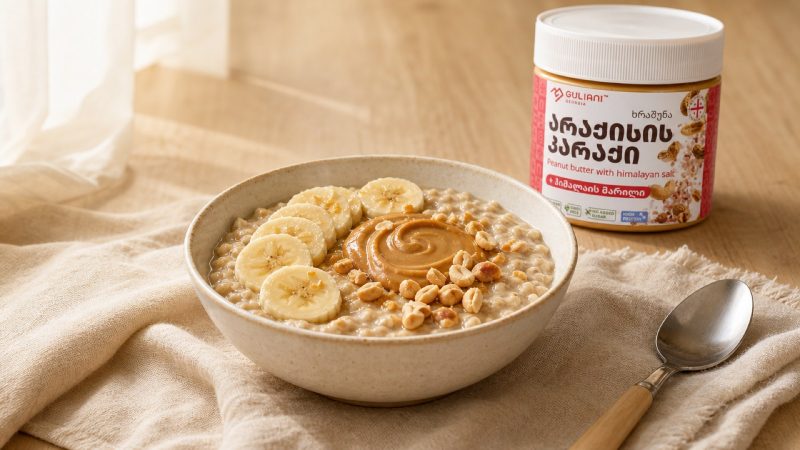
- thin a small amount with warm water, breast milk or formula, or stir it into porridge or purée;
- start small (about ¼ teaspoon) and in the daytime, so you can watch your baby afterwards;
- introduce only one new allergen at a time.
Signs of an allergic reaction
Rash or hives, swelling of the lips or face, vomiting — stop and contact your doctor. Difficulty breathing, a hoarse voice or sudden floppiness — call emergency services immediately.
Which GULIANI jar for kids
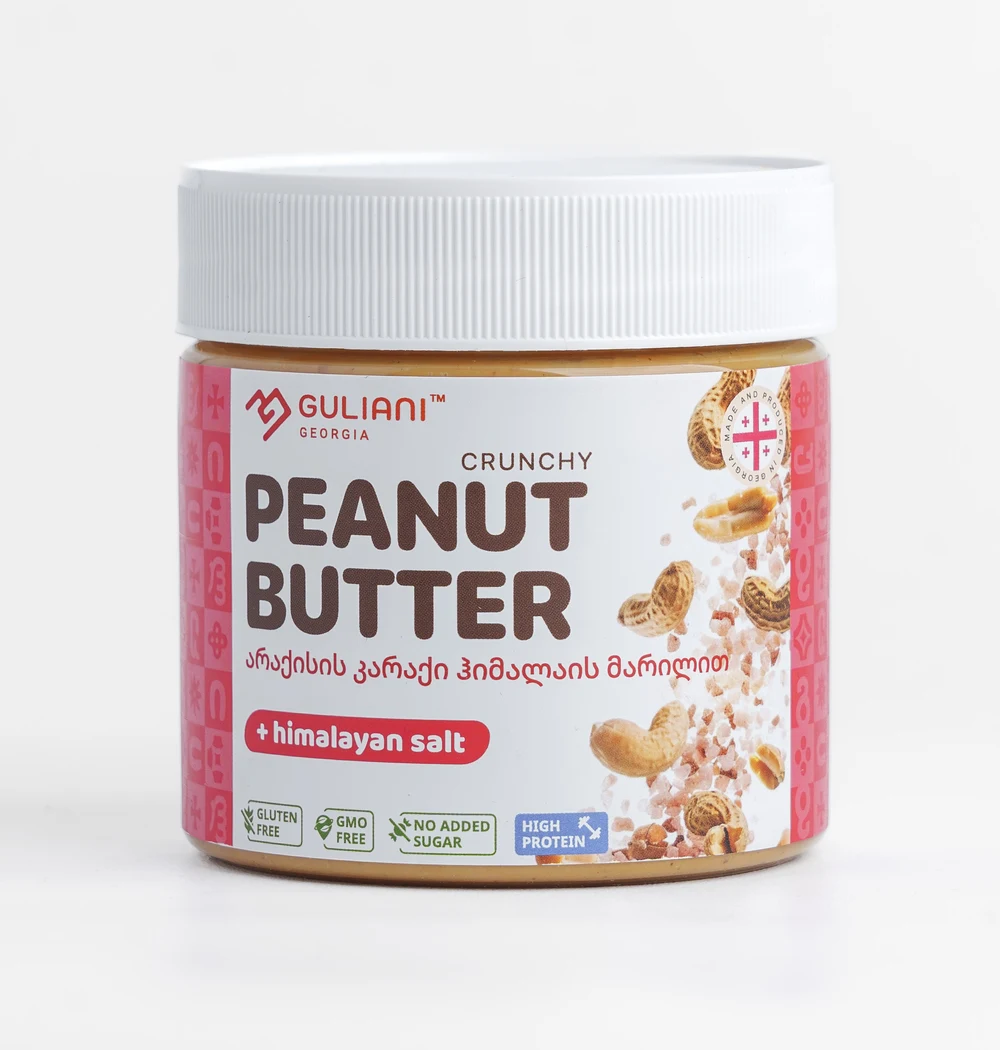
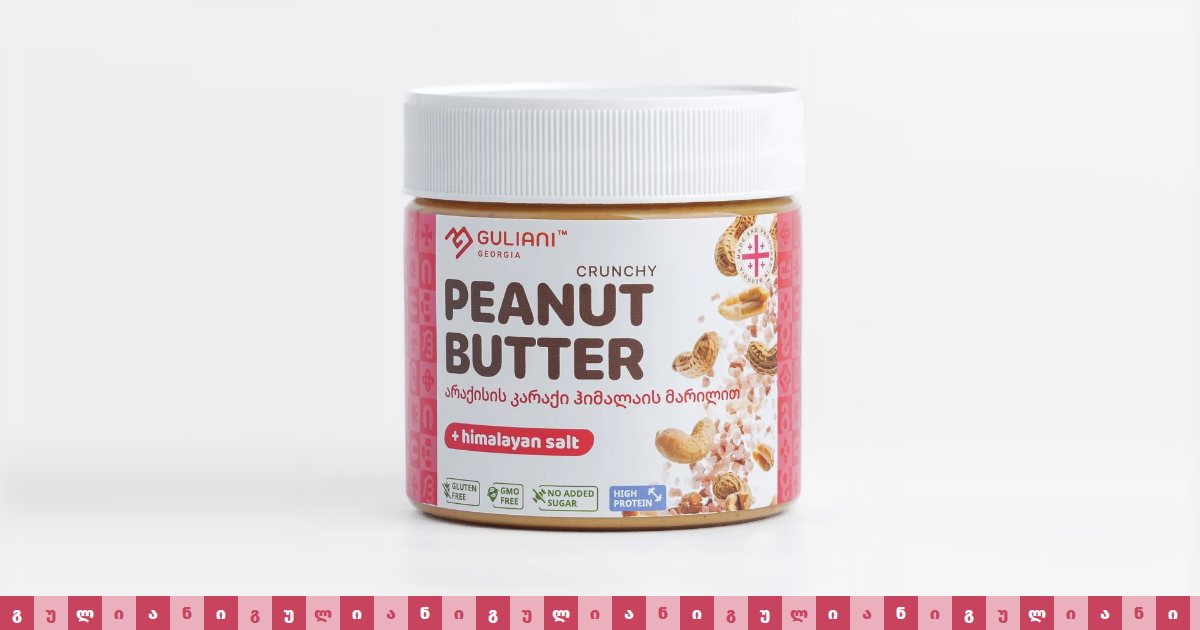
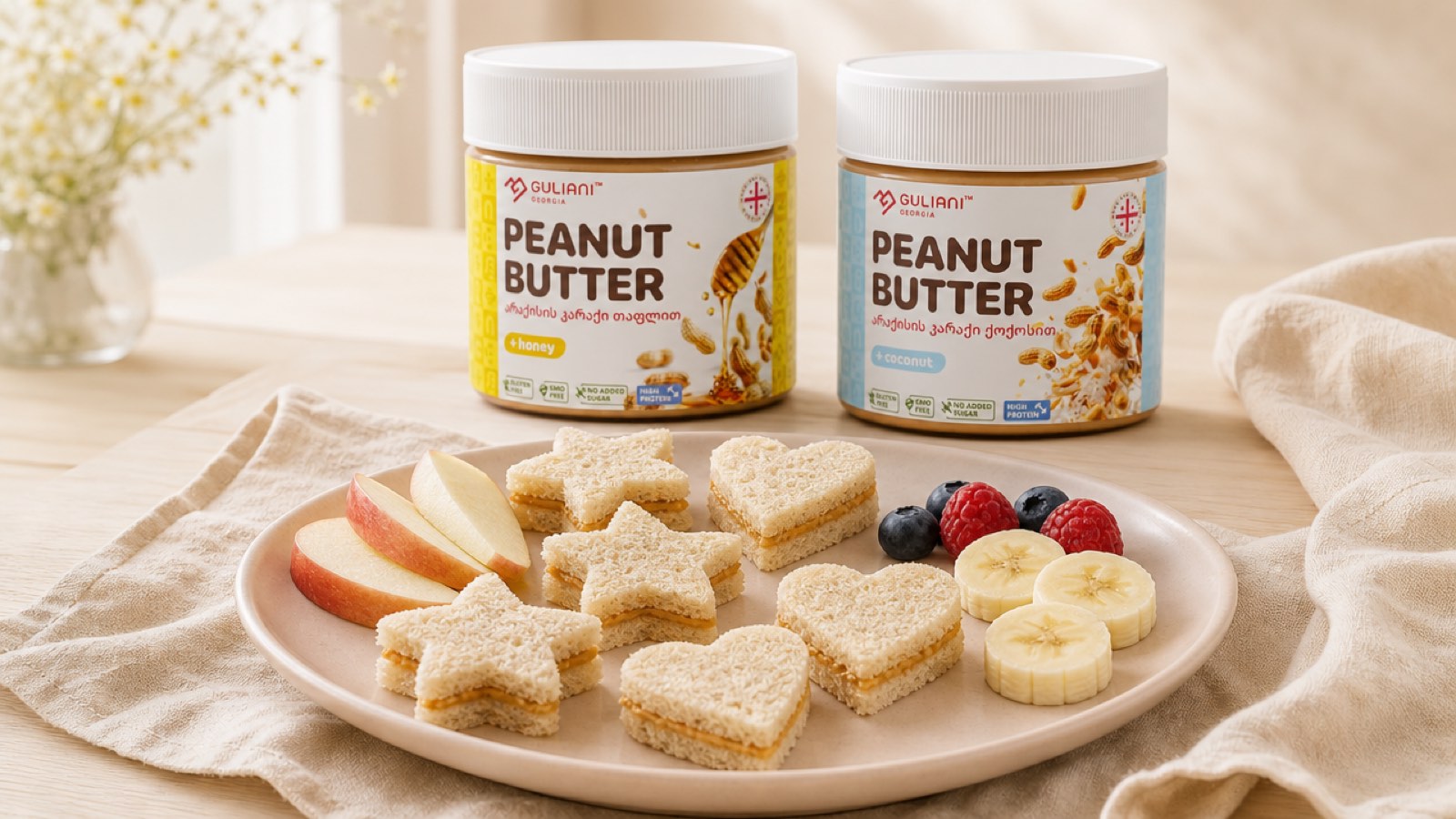
Honey must not be given to babies under 12 months (risk of infant botulism), so Peanut Butter with Honey and Peanut Butter with Coconut (which contains honey) are for age 1 and up. For babies the most suitable is Classic — peanuts and a little salt (0.3 g per 100 g, a negligible amount in a baby portion). Almond and cashew are separate allergens — introduce each of them on its own too.
This article is for general information and does not replace advice from a doctor or dietitian.