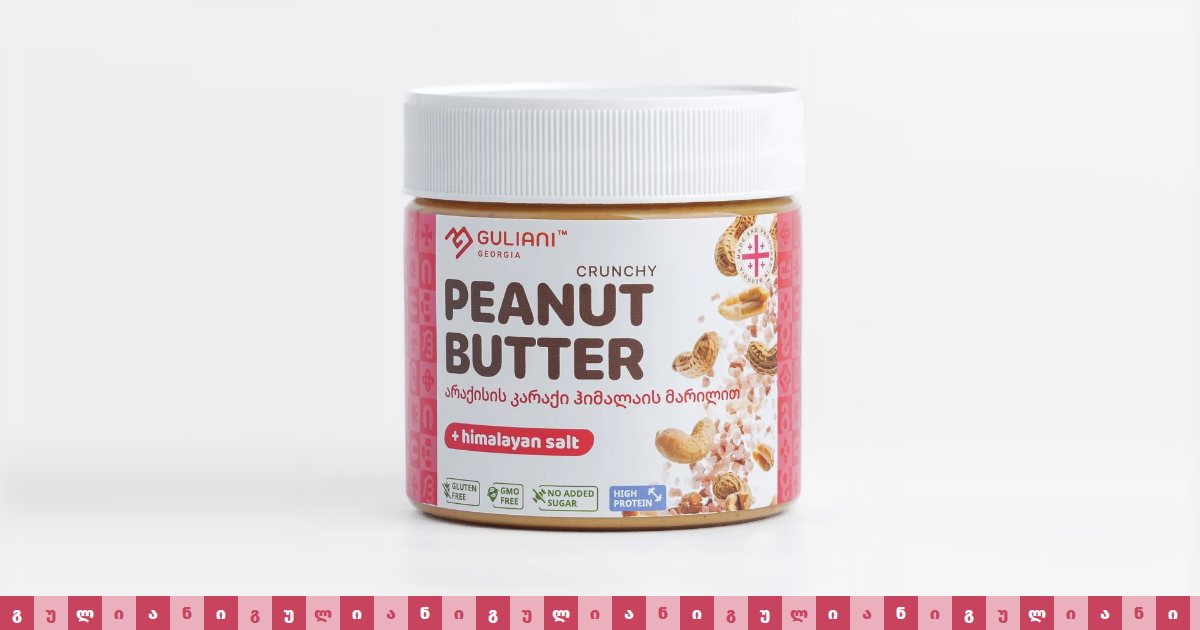
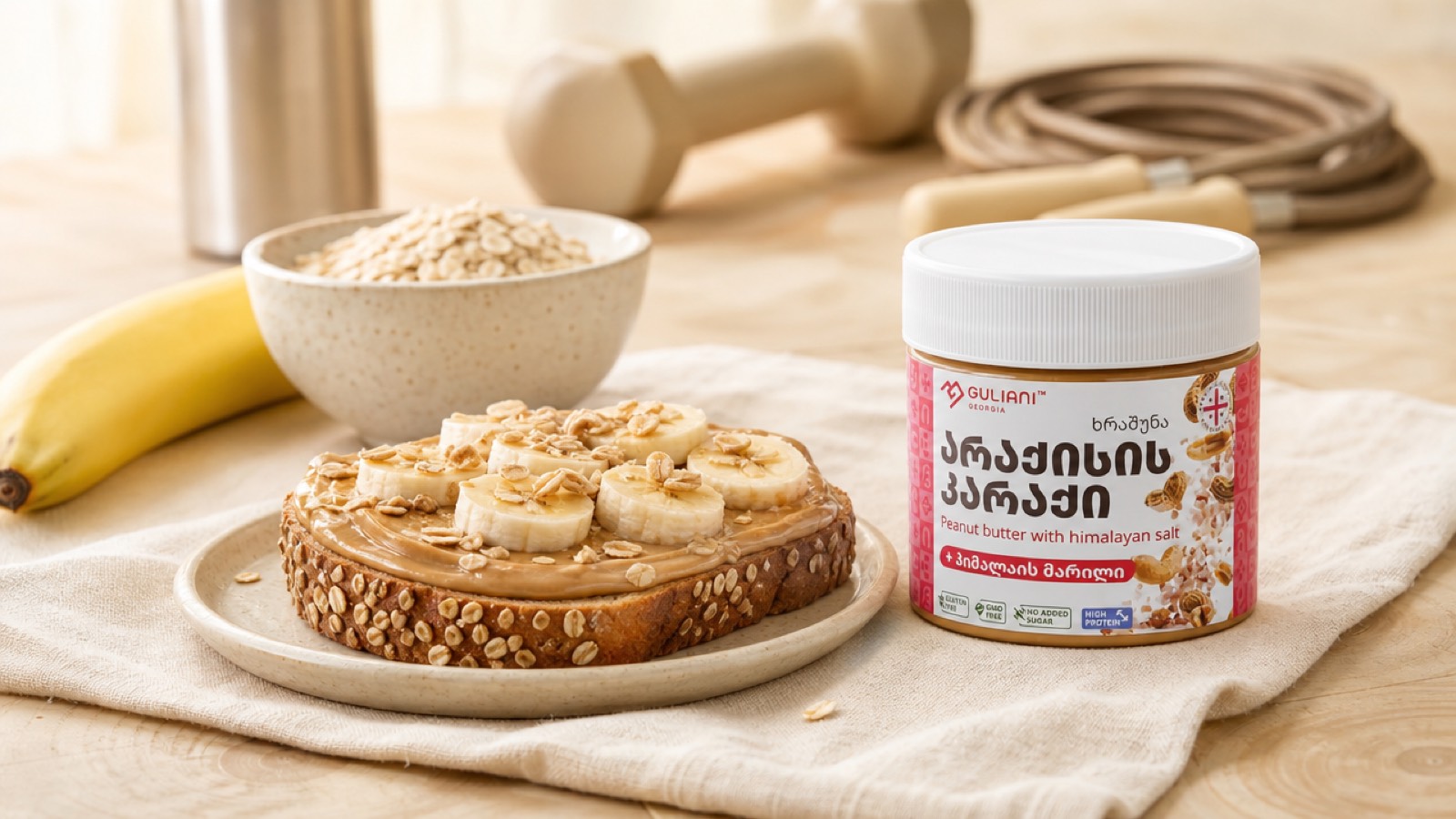
Short answer: nut butter is a convenient source of energy with a useful amount of protein — handy around training, but not a replacement for lean protein foods. For most active adults, 1–2 tablespoons a day, paired with carbohydrates before training or with a protein food after it, is a practical way to use it.
What's in a portion
| Butter | Protein per 100 g | Energy in 36 g | Protein in 36 g |
|---|---|---|---|
| Peanut Butter Classic | 26.8 g | 232 kcal | 9.6 g |
| Peanut Butter with Honey | 23.3 g | 216 kcal | 8.4 g |
| Peanut Butter with Coconut | 22 g | 218 kcal | 7.9 g |
| Almond Butter | 21 g | 236 kcal | 7.6 g |
| Cashew Butter with Coconut | 17 g | 235 kcal | 6.1 g |
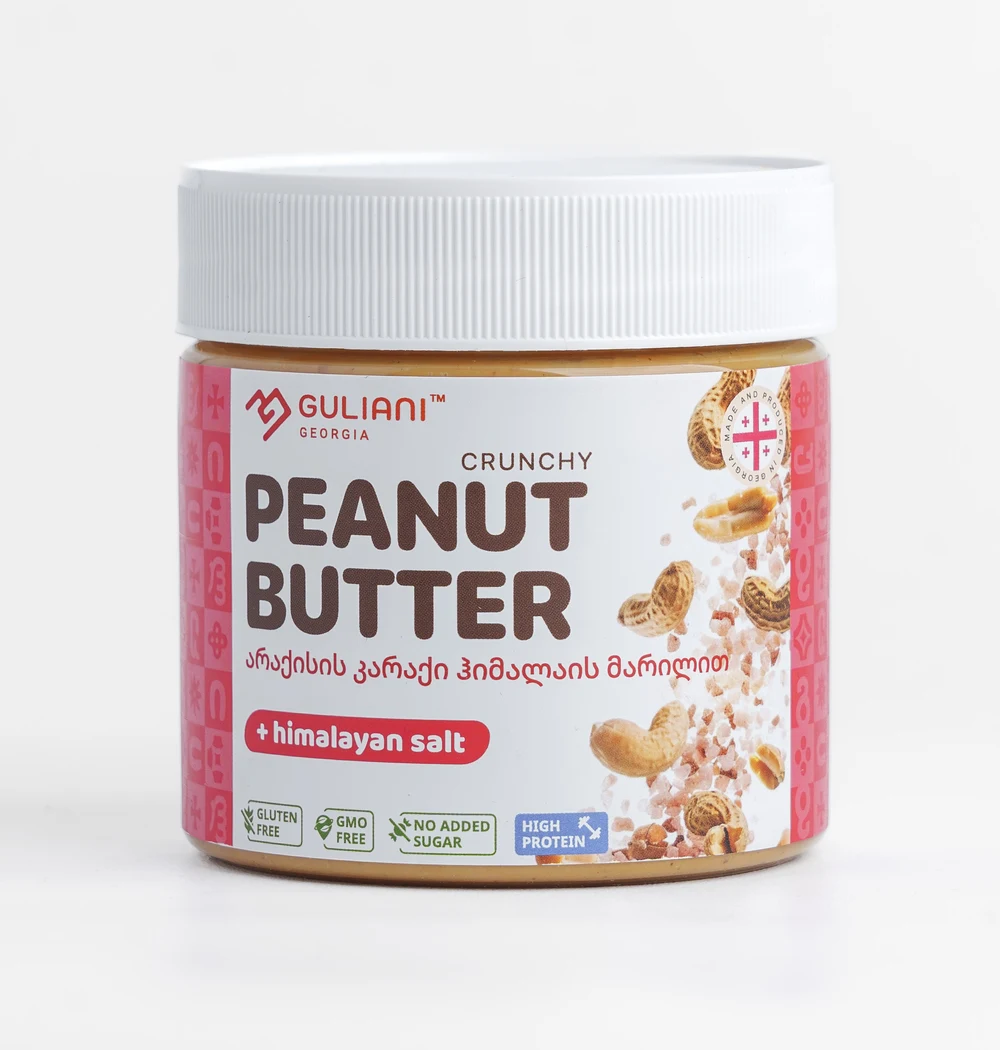
Classic has the most protein: 26.8 g per 100 g. But it also has 52.4 g of fat and 645 kcal, so most of its energy comes from fat. That makes nut butter a "protein + energy" food: a daily portion adds about 9.6 g of protein — a helpful top-up, but on its own it will not cover the protein of a post-workout meal. Details: how much protein is in peanut butter.
Before training
1–2 hours before a workout, a slice of toast or a banana with 1 tablespoon of peanut butter works well for many people: the carbohydrates give quick fuel, the nut butter keeps hunger away. Right before training, keep the portion small or skip it — fat slows digestion, and a heavy stomach is uncomfortable during exercise. Try new timings on an easy day first.
After training
After training, use nut butter as part of a meal that also contains protein and carbohydrates:
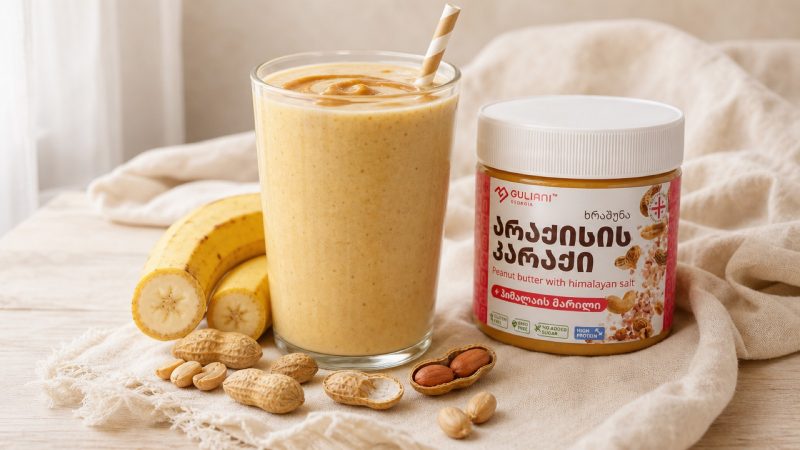
- a banana, milk and peanut butter smoothie;
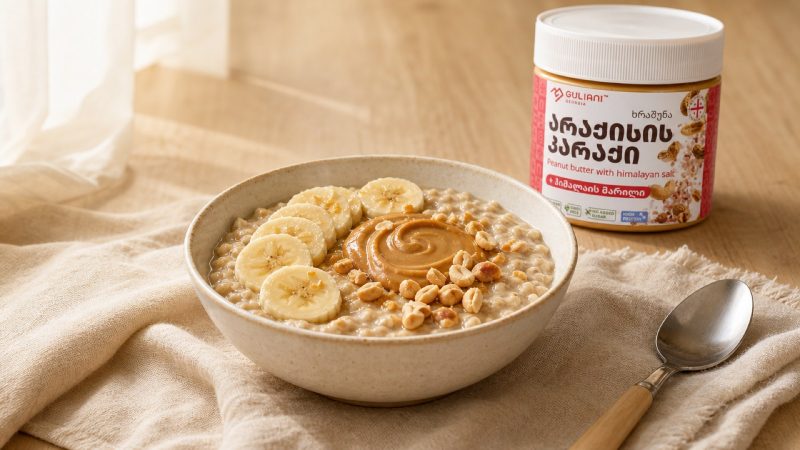
- oatmeal cooked in milk with peanut butter;
- plain yogurt or cottage cheese with fruit and a spoonful of nut butter.
Pairing peanut butter with grains or dairy also makes the protein more complete than peanut butter alone.
Gaining or losing weight
Gaining: nut butter adds energy without much volume. A daily portion (about two tablespoons) stirred into porridge or a smoothie adds about 232 kcal without making the meal much bigger.
Losing: the same density works the other way. Measure with a spoon, count it in your daily total and keep to the portion. More in can you eat peanut butter while losing weight.
Which flavor for an active diet
- Classic — the most protein, no added sugar (4.2 g of naturally occurring sugars per 100 g), works in sweet and savory meals.
- With honey or coconut — sweeter: 12.8 g and 12 g of sugars per 100 g. A matter of taste, especially in a pre-workout snack.
- Almond and cashew — less protein, a milder taste; good for variety.
None of the GULIANI butters contain palm oil.
Practical tips
- Take a small closed container with a portion to the gym instead of the whole jar.
- Prepare no-bake energy balls on the weekend for the busy days ahead.
- Calculate your own portion in the nutrition calculator.
Needs depend on body weight, sport, training volume and goals. If you have a medical condition or train at a high level, a doctor or a sports dietitian can give you personal advice.
Quick answers
Is nut butter a good protein source? A partial one: it adds protein, but with a lot of fat and energy. Combine it with dairy, eggs, fish, meat or legumes.
Can I eat it every day? For most adults, yes — within the daily portion.
Before or after training? Both work: a small portion with carbohydrates before, a larger one with protein after.